Academic Podcast Production / Universities
University podcast production for departments, research centres and press offices that need reliable editorial and technical delivery. Built for research-led conversations, not generic creator content.
University podcasts take several distinct forms, each with different production requirements.
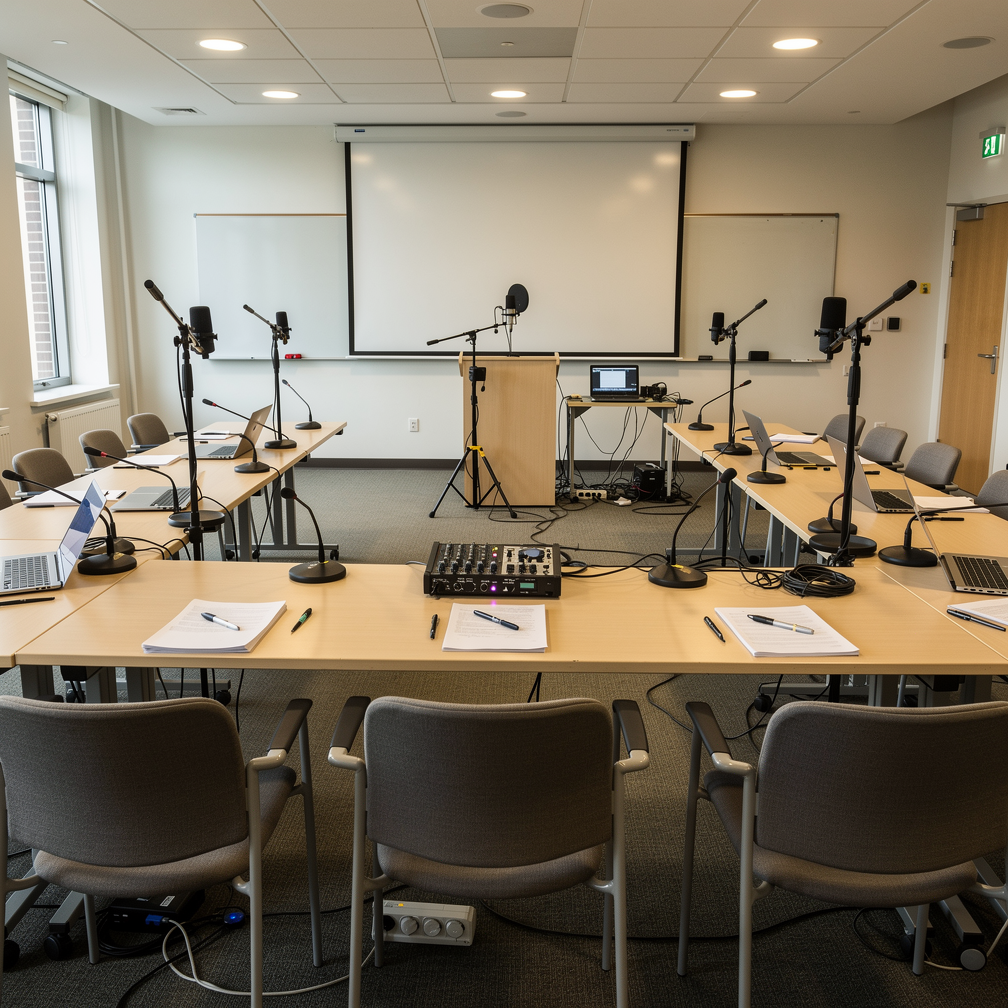
University audio is almost never recorded in a professional studio. Researchers and academics are not audio engineers, and they should not have to become ones. The job of the producer is to work with whatever material arrives and deliver something that sounds as though it was made with care.
That means: removing the hum from a radiator that nobody noticed during the recording; cleaning up the video-call artefacts from a remote guest; tightening the pace of an 80-minute conversation to something a general listener can follow without losing the intellectual content; and writing episode notes that accurately represent the episode and will rank in search without sounding like marketing.
The work is built on repeatable process: clear recording guidance, predictable turnaround, clean dialogue, and publication-ready metadata. The IWM Vienna case study is one documented example, but the offer is designed for any institution that needs consistent quality across a full series.
I can work with purchase orders, institutional invoicing, and phased payment for series commissions. If your department has a specific procurement process, discuss it at the enquiry stage and we will find an arrangement that works.
Simon provided the complete production package: sound editing and mixing, mastering, and well-written episode notes optimised for the major publishing platforms. Particularly valuable was his reliability — agreed timelines were respected, and he was always responsive.
Beyond the technical work, his strong grounding in politics, sociology and international relations — the array of topics the podcast series covered — allowed him to offer relevant conceptual suggestions or constructive critique of the content.
Planning a new university podcast or rescuing inconsistent legacy audio? Send scope, timelines and intended audience for a concrete recommendation and quote.
simonindelicate23@gmail.com